Breathable Anti-Slip PU Leather Seat Covers: Universal Fit
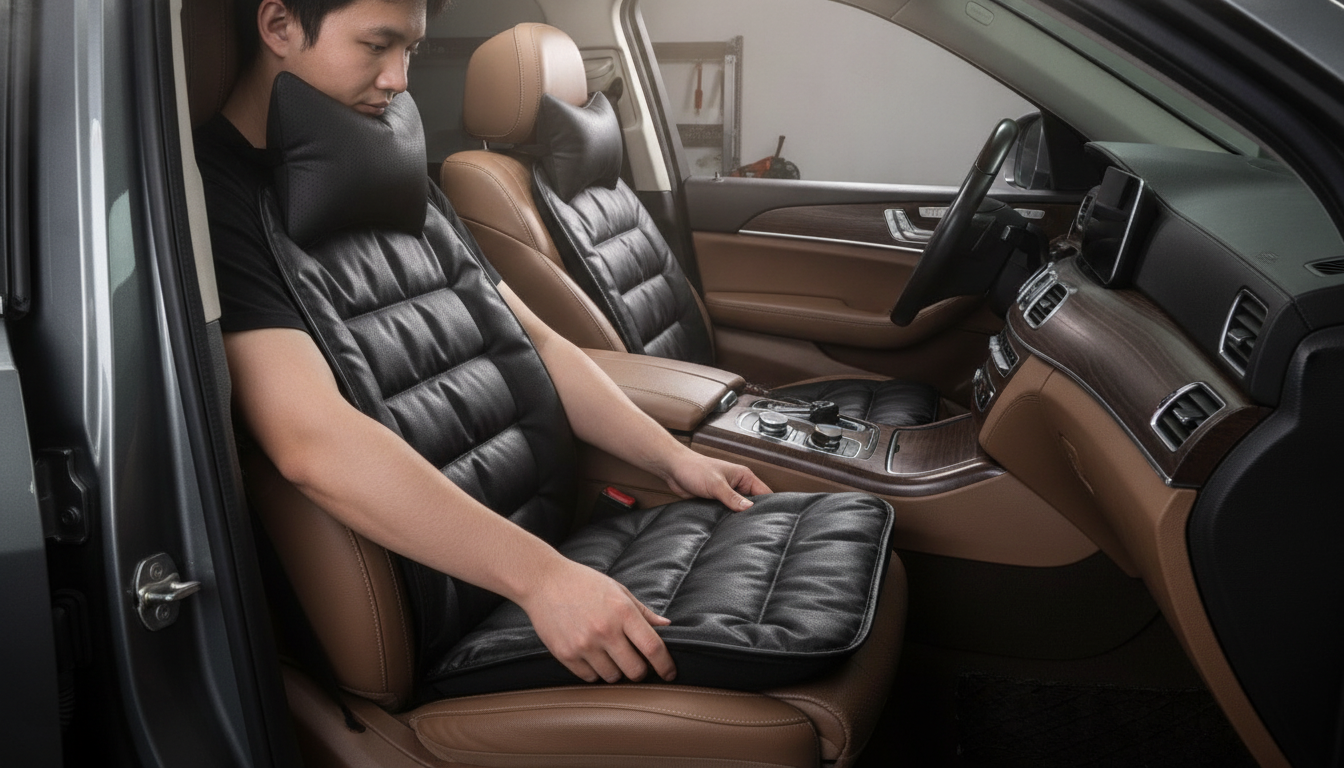
Universal PU Leather Car Seat Covers with Breathable Anti-Slip Design: Comfort, Protection, and Everyday Fit
A good set of seat covers should protect against spills and scuffs without turning every drive into a sweaty slide. This guide breaks down what a breathable, anti-slip PU leather cover set does well, what to check for compatibility, and how to install and care for it so it stays secure and comfortable through daily commuting, rideshare use, and weekend trips.
What These Seat Covers Are Designed to Solve
Factory upholstery takes the hit from everyday life: jeans rivets, keys, sunscreen, coffee drips, fast-food crumbs, and constant in-and-out friction. Universal PU leather seat covers are built to be a practical “wear layer” that helps keep original seats looking newer for longer.
- Helps shield original upholstery from abrasion, pet claws, sweat, crumbs, and sun fading
- Adds a wipe-clean surface that is quicker to maintain than cloth seats
- Reduces seat shifting and bunching with an anti-slip backing approach
- Improves comfort in warm weather by using breathable paneling/structure to reduce heat buildup
- Refreshes the cabin look without committing to permanent upholstery work
Materials and Feel: PU Leather + Breathability Explained
PU leather (polyurethane leather) is popular for car interiors because it delivers a leather-like look and a surface that’s simple to wipe down. Compared with genuine leather, it typically requires less routine conditioning and is less stressful to live with when spills happen on a busy day.
Where many covers fall short is heat and moisture. Breathable designs aim to address that with perforation, textured channels, or layered construction that helps air move and reduces that “clammy” feeling during long drives.
- PU leather offers a leather-like appearance with easier cleaning and typically less routine conditioning than genuine leather
- Breathable elements (perforation, textured channels, or layered construction) can help reduce the clammy feel common with solid, non-vented covers
- A balanced surface should feel smooth enough to wipe clean but not overly glossy or slippery
- If driving long commutes, prioritize breathability and a stable base over ultra-thick padding that can trap heat
Quick comparison: common seat-cover surface types
| Surface type | Comfort in heat | Cleaning effort | Typical trade-offs |
|---|---|---|---|
| PU leather (breathable design) | Medium to high | Low | May need careful fit to avoid wrinkles |
| Solid PU leather (non-breathable) | Low to medium | Low | Can feel hot and slick in summer |
| Cloth/polyester | High | Medium | Stains can set; may hold odors |
| Neoprene | Medium | Low to medium | Can retain heat; thicker feel |
Anti-Slip Design: What Keeps Covers From Sliding
“Universal” covers can look great at first, then slowly migrate as you slide in and out—especially on smoother factory leather. Anti-slip designs help the cover behave more like it belongs on the seat, not like it’s perched on top of it.
- Look for a grippy underside texture or backing that increases friction against the seat fabric/leather
- Anchoring methods (tucks, straps, hooks) are most effective when tightened evenly and routed away from moving rails
- A secure fit reduces driver fatigue by preventing constant readjustment during entry/exit
- After installation, test by getting in and out several times; re-tuck and tighten where shifting occurs
Safety note: if your vehicle has seat-mounted airbags, choose covers designed to be compatible and avoid any setup that could block deployment zones. For background on airbag systems, review guidance from the NHTSA.
Fit and Compatibility Checklist for “Universal” Covers
Universal fit doesn’t mean “fits every seat perfectly.” It usually means the pattern is designed to accommodate a range of common seat shapes, especially standard bucket seats. A quick pre-check helps prevent the most common issues: headrest mismatch, blocked controls, and poor side bolstering alignment.
Before buying: quick vehicle check
| Vehicle feature | What to look for | Why it matters |
|---|---|---|
| Seat type | Bucket vs bench; integrated headrests | Determines how cleanly the cover can wrap and anchor |
| Side airbags | Airbag-tagged seams/openings | Helps avoid blocking airbag deployment paths |
| Seat controls | Cutouts or flexible edges | Prevents rubbing and keeps switches accessible |
| Rear split | Separate pieces or compatible zippers | Maintains fold-down seat functionality |
Installation Steps for a Smooth, Secure Finish
Care and Cleaning for PU Leather Covers
When you’re unsure about cleaning directions, it helps to follow the general idea behind standardized care guidance (even though seat covers aren’t garments). The FTC’s care labeling resources are a useful reference for why simple, non-damaging cleaning methods matter.
When This Style of Cover Is a Good Match
Shop In-Stock Picks
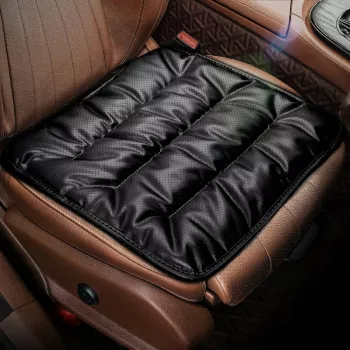
- Universal PU Leather Car Seat Covers with Breathable Anti-Slip Design
- Women’s 2-Piece Fitness Sports Set
- Cozy Kids Winter Fleece Vest
FAQ
Will universal seat covers fit seats with side airbags?
Check that the covers are labeled or designed for side-airbag compatibility, with seams or openings intended to avoid blocking deployment zones. Follow both the vehicle owner’s manual and the cover manufacturer’s guidance for safe installation.
Do PU leather seat covers get hot in summer?
PU leather can warm up in direct sun, but breathable design elements help reduce that sticky, trapped-heat feeling. Using a windshield shade and airing out the cabin briefly before driving also makes a noticeable difference.
How can seat covers be kept from slipping and bunching?
Start with a clean seat surface, align the cover carefully, and tuck material deeply into the seat gaps. Tighten straps evenly, then re-check and re-tighten after 24–48 hours as the cover settles into place.







Leave a comment