Setting Brush Makeup Guide: What It Is & How to Use

What is a setting brush for makeup?
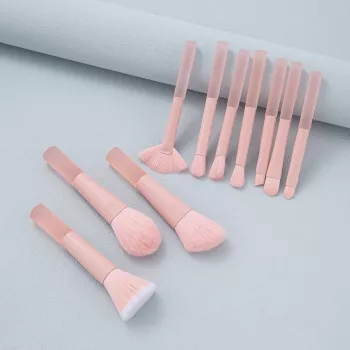
A setting brush is a soft, usually fluffy makeup brush designed to apply finishing products—most often loose or pressed powder—over the face to help “set” foundation and concealer. The goal is to reduce shine, blur the look of texture, and help makeup wear more evenly by lightly pressing or sweeping powder where it’s needed without disturbing what’s underneath.
Unlike dense brushes that pack on product, a setting brush typically has flexible bristles and an airy shape that picks up a small amount of powder at a time. That makes it easier to create a smooth, natural finish, especially for targeted areas like the under-eyes, sides of the nose, forehead, or chin.
How a setting brush is different from other face brushes
Setting brush vs. powder brush
A powder brush is usually larger and meant to cover the whole face quickly with a light veil of powder. A setting brush tends to be smaller and more precise, so it’s better for controlled application—like setting concealer under the eyes without over-powdering the cheeks.
Setting brush vs. kabuki brush
Kabuki brushes are short, dense, and built to buff product into the skin for more coverage. A setting brush is less dense and is intended to lay powder on top in a softer, less “packed” way.
When to use a setting brush
Use a setting brush after liquid or cream products to lock in coverage and help prevent creasing or transfer. It’s especially helpful for:
- Setting under-eye concealer with minimal product
- Dusting powder on the T-zone to control oil
- Softening shine on the high points of the face without dulling everything
For a deeper look at how setting brushes work and how to choose one, visit https://tonic.sale/what-is-a-setting-brush-for-makeup/.
FAQ
Can you use a setting brush with loose powder and pressed powder?
Yes. With loose powder, tap off extra before applying; with pressed powder, swirl lightly and build slowly to avoid a heavy, cakey layer.









Leave a comment