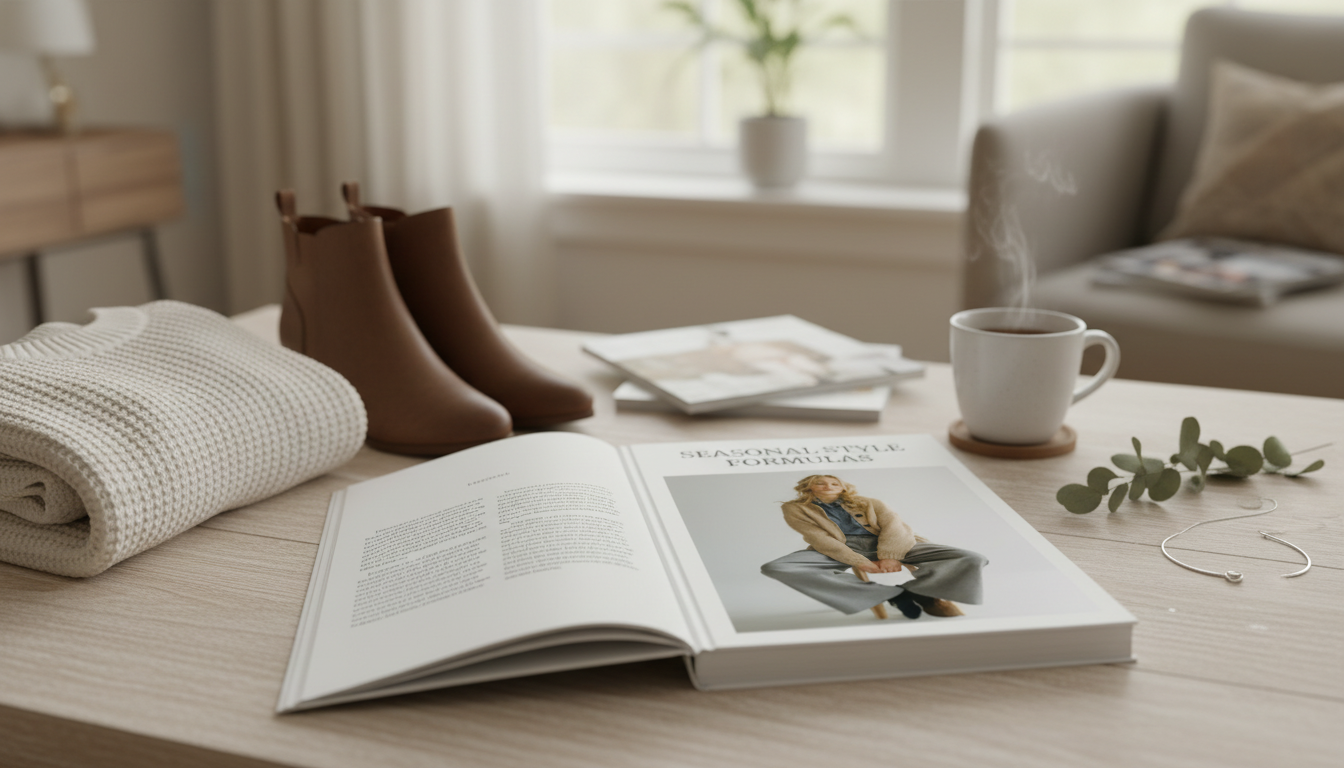
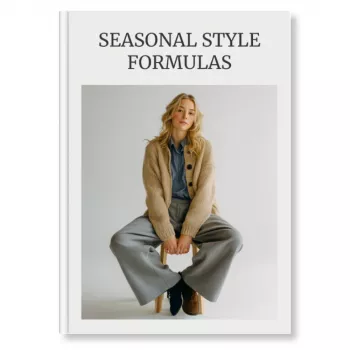
Getting dressed gets easier when outfits follow repeatable “formulas” that already work for your life. Instead of starting from scratch every morning, you start with a proven structure—then swap pieces based on weather, comfort, and what you actually want to wear. The Seasonal Style Formulas: Effortless Outfit Formulas for Any Season – Digital Download Checklist turns seasonal dressing into a simple mix-and-match system, so outfits feel polished without overthinking—whether it’s hot, cold, rainy, or in-between.
A style formula is a repeatable outfit structure—think: top + bottom + layer + shoes + a finishing piece. The magic is that the structure stays the same even when the temperature changes. In spring you might use a light jacket; in winter, that same formula becomes a warm coat plus boots.
Formulas also cut down on decision fatigue. When you limit choices to a handful of combinations you already know look good, getting dressed becomes a quick assembly process instead of a daily negotiation. If you’ve ever felt mentally “done” before you’ve even had coffee, you’re not alone—research in decision-making shows how repeated choices can drain attention and energy over time (see American Psychological Association: decision-making).
Seasonal formulas focus on temperature, layering, and fabric weight—without forcing a personal style overhaul. Your aesthetic can stay consistent; you’re simply adjusting the materials and layers to match the forecast.
The checklist is designed to be practical, not precious—something you can actually use while getting dressed, packing, or planning outfits for the week. It’s built for quick scanning and easy repetition, so you can choose a formula first and fill in the pieces second.
If you’re also working toward a more intentional closet, pair it with Shift to Slow Style | Printable Checklist for Slow Fashion Mindset Shift for a clear, step-by-step wardrobe reset.
Seasonal dressing doesn’t require a whole new wardrobe. It requires the right building blocks for that season’s temperature swings—and fabrics that behave well in the real world. (If you like a quick refresher on fiber behavior—breathability, insulation, durability—see Britannica’s overview of textiles.)
Think light layers and footwear that can handle chilly mornings, warm afternoons, and sudden rain. A simple jacket or cardigan does most of the work.
Prioritize breathable base pieces and minimal layers that still look complete—clean lines, easy drape, and a finishing touch (like a belt or sunglasses) to keep it intentional.
Fall is the season of texture and midweight layers: blazers, shackets, knits, and denim. Color coordination gets easier when you stick to a core neutral palette and rotate one accent.
| Season | Go-to formula | Best fabrics | Shoes that work | Easy finishing touch |
|---|---|---|---|---|
| Spring | Tee or blouse + straight-leg jeans + light jacket | Cotton, poplin, lightweight denim | Loafers, sneakers, ankle boots | Scarf or simple jewelry |
| Summer | Tank + wide-leg pants or skirt + open layer (optional) | Linen, cotton jersey, viscose | Sandals, clean sneakers | Sunglasses or a belt |
| Fall | Knit top + trousers + blazer or shacket | Merino blends, corduroy, denim | Boots, loafers | Textured bag or gold-toned jewelry |
| Winter | Thermal base + sweater + coat + structured pants | Wool blends, fleece-lined knits, flannel | Weather-ready boots | Hat, gloves, or statement coat |
Then add seasonal problem-solvers: a rain layer for spring/fall, breathable sets for summer, and warm underlayers for winter. Keep one outfit shortcut ready—like a one-piece or matching set—for days when you want instant polish with minimal effort. For an elevated simple option, the EA7 Women’s Black Turtleneck Jumpsuit pairs easily with boots and a coat in winter, or a lighter jacket in transitional weather.
For the best results, treat it like a seasonal reset tool: revisit at the start of each season, circle the formulas that feel right, and note what’s missing. When you’re ready, the Seasonal Style Formulas digital download checklist is an easy add to your routine that keeps outfits simple, repeatable, and confident.
Yes. The formulas are structure-based, so you can change the aesthetic by swapping colors, textures, and accessories while keeping the same dependable outfit framework.
It works well for both. In a capsule wardrobe, formulas maximize combinations; in a larger closet, they help you focus on the most-worn pairings and quickly spot gaps or duplicates.
A simple mix-and-match estimate is 5 tops x 3 bottoms x 2 layers x 2 shoes = 60 combinations. The checklist prioritizes reliable repeats you’ll actually wear, not endless variety that’s hard to maintain.









Leave a comment